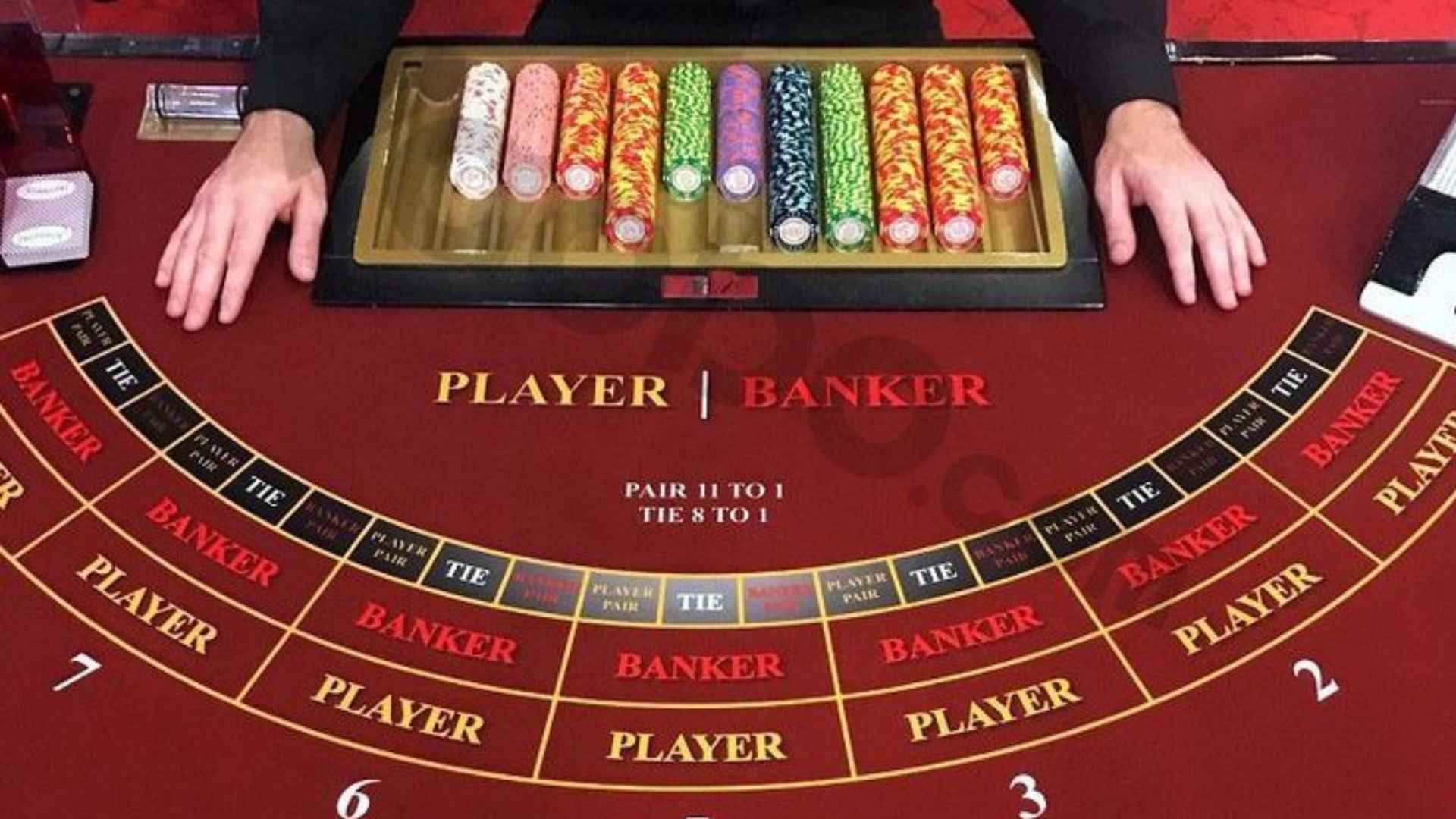
Mastering competitive card games involves far more than simply memorizing the rulebook or calculating mathematical probabilities during a match. True mastery rests on a player's ability to maintain complete emotional regulation while accurately deciphering the behavioral patterns of their opponents. By combining psychological resilience with a sharp tactical mindset, card enthusiasts can elevate their gameplay and achieve consistent long-term success at the table.
The Core of Emotional Control
Maintaining a disciplined mental presence is essential when navigating high-stakes card environments where tension runs incredibly high. When players let excitement or frustration dictate their decisions, they become highly susceptible to making rash, unprofitable choices. Successful competitors treat emotional control as a trainable skill, actively aligning their focus to stay entirely logical under extreme pressure.
Developing an unwavering table image requires consistent practice and acute self-awareness over multiple gameplay sessions. Experienced individuals understand that suppressing an emotion is entirely different from regulating it effectively to achieve specific strategic goals. By anchoring themselves in a calm mental state, top-tier players ensure that their long-term performance remains completely unaffected by short-term variance.
Deciphering Behavioral Patterns
Observing the subtle habits of the people sitting across the table provides invaluable data for executing advanced tactical moves. Every competitor exhibits small trends in how they handle pressure, manage their chips, or react to unexpected cards. Recognizing these individual patterns allows you to exploit modern gaming dynamics and outsmart your rivals with calculated precision.
For players looking to deepen their analytical approach, accessing reliable strategic resources is highly beneficial. You can check the Link M88 Mansion platform to explore expert insights that significantly enhance your overall table awareness. Understanding whether an opponent leans toward conservative or aggressive playstyles helps you choose the most profitable moments for strategic deception.
Balancing Logic and Decisiveness
High performers often struggle with decision fatigue not because they lack discipline, but because they care deeply about optimizing every single outcome. To counter this mental exhaustion, successful card strategists rely on clear pre-determined frameworks rather than spontaneous guesswork. Making selective and precise choices ensures that every significant investment carries a justifiable risk profile.
Trusting your trained intuition combined with concrete situational data creates a formidable and unpredictable style of play. When you shift your physical and mental state before deciding, your prefrontal cortex remains fully online for complex evaluations. Taking absolute ownership of your strategic actions ultimately transforms these advanced professional principles into natural table habits.
Cultivating Long Term Consistency
Sustaining regular victories in competitive environments requires shifting your focus from individual hands to overall session durability. A single bad beat should never disrupt your broader tactical plan or cause a sudden depletion of your chip stack. Embracing occasional setbacks as essential learning opportunities separates elite players from casual amateur enthusiasts.
Continued deliberate practice helps build winning habits that withstand the psychological pressures of tournament structures and cash games alike. By refining your mental resilience alongside technical execution, you create a powerful competitive edge that yields reliable results. Ultimately, mastering table psychology is what transforms a standard card player into a true master of the game.